
When it comes to roofing options, vinyl roofing often flies under the radar. Many homeowners and real estate enthusiasts might be caught off guard by this budget-friendly roofing choice, as they typically think of sleek shingles or traditional tiles. But let’s be honest, how often do you find yourself pondering about roofing while eating popcorn on the couch? Probably never. Yet here we are, diving into the world of vinyl roofing like it’s a cliffhanger episode of your favorite show, because it actually could change the way you think about protecting your home.
Understanding Vinyl Roofing
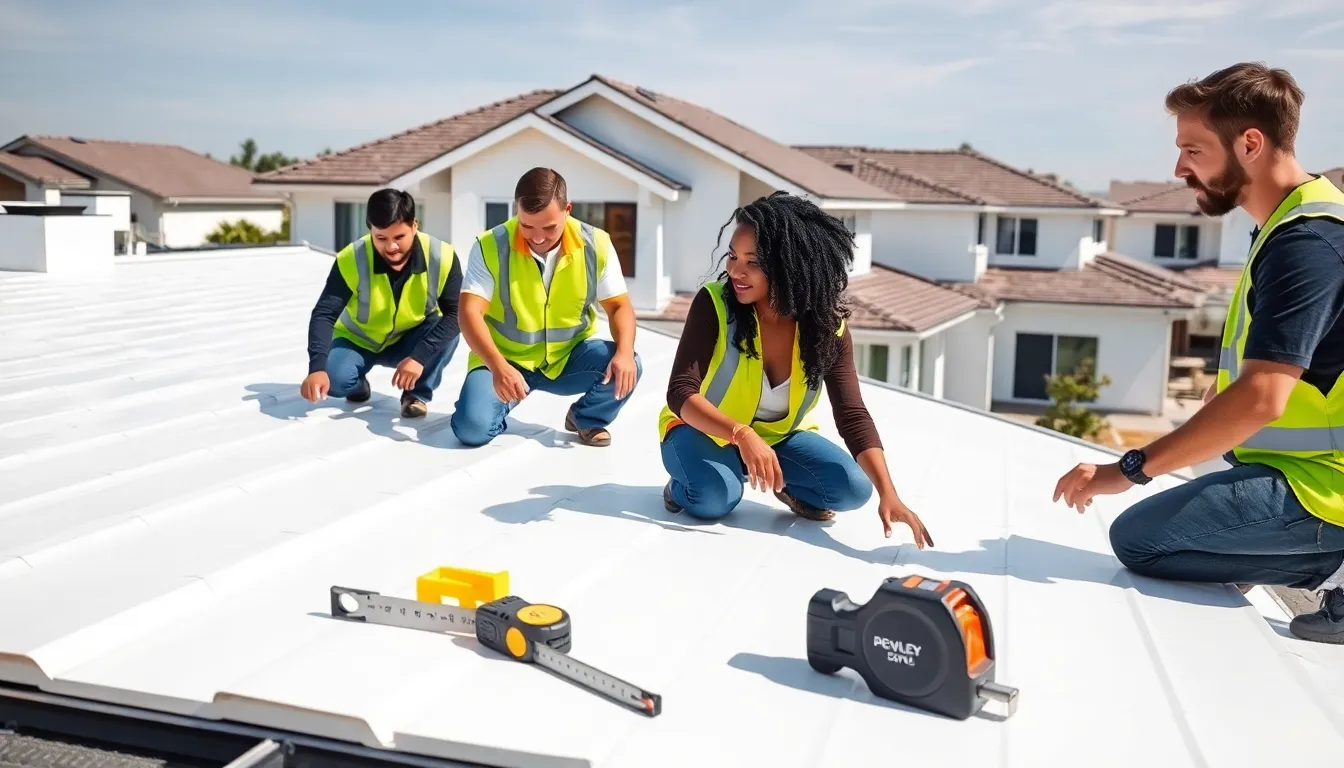
Vinyl roofing, often made from polyvinyl chloride (PVC), has become a go-to option for flat roofs or low-sloped surfaces. This material is not only affordable but also offers a variety of options in terms of aesthetics and performance. Think of vinyl roofing as the underdog superhero of home protection, uniquely constructed to withstand the elements while offering a sleek look. Homeowners quickly appreciate its lightweight nature, making installation a breeze compared to heavier materials. The versatility of vinyl roofing is fantastic: it can be made to mimic the appearance of slate or shingles, giving homeowners the aesthetic of their dreams without very costly.
Benefits of Vinyl Roofing
The benefits of vinyl roofing are a treasure trove waiting to be unearthed. First off, let’s talk durability. Vinyl roofing can last upwards of 20 years if maintained properly, resisting impacts, UV rays, and even fire. Then, there’s the ease of installation: fewer labor hours mean lower costs for you. Plus, it’s waterproof. Yes, you heard that right, waterproof. This factor alone provides significant peace of mind during stormy seasons. And if energy efficiency is on your checklist, vinyl roofing often comes equipped with reflective coatings that can reduce energy bills by keeping your home cooler in the summer. Who doesn’t love saving money? Finally, it’s low maintenance. A simple wash every so often will keep it looking sharp.
Vinyl Roofing vs. Other Roofing Materials
When contrasting vinyl roofing with traditional materials like asphalt shingles, tile, or wood, vinyl shines brightly in several ways. While asphalt shingles may offer decent initial costs, they often deteriorate quicker and need regular replacement. Wood, although stunning, requires an extensive commitment to maintenance, from sealing to potential pest issues. On the other hand, tile might give off a Mediterranean vibe but comes with hefty installation fees due to its weight. Vinyl, but, combines practicality and style effortlessly. The lightweight nature of vinyl allows for quicker installation and lower labor costs, backed by the durability that often outlasts cheaper alternatives. In this showdown, vinyl roofing stands as a reliable champion.
Installation Process of Vinyl Roofing
The installation of vinyl roofing is surprisingly straightforward, making it an appealing option for both DIY enthusiasts and contractors alike. First, the roof should be thoroughly cleaned and inspected to ensure it can bear the material’s weight. If there are existing structures like vents or skylights, those should be carefully examined as well. Next, a solid underlayment is installed. Afterward, the vinyl sheets begin their journey, overlapping and sealing at the seams to prevent water from seeping in. All of this can typically be accomplished within a few days, especially compared to other roofing systems that may stretch on for weeks. In short, if you’re staring down a leaky roof, vinyl could save you from a roofing marathon.
Maintenance Tips for Vinyl Roofing
Maintaining vinyl roofing is like taking care of a friendly pet: it requires love, attention, and a bit of effort. Regular cleaning will help maintain its shiny appearance: a simple hose-down works wonders. Plus, checking for any punctures or tears during the cleaning is smart. Minor repairs can usually be addressed with a handy vinyl patch kit, which is generally easy to apply. Avoid using harsh chemicals like ammonia as they can weaken the material. Finally, ensuring gutters are clear will help in preventing water buildup and prolong the life of your roof. It’s all about that easy-going upkeep.
Cost Considerations for Vinyl Roofing
Cost is always a crucial factor when considering roofing options. Vinyl roofing typically ranges from $3 to $9 per square foot, which is generally more affordable than many traditional roofing materials. But, it’s essential to factor in potential installation costs, which could add a few hundred bucks to the overall price. While it may seem cost-effective upfront, the longevity and low maintenance of vinyl often lead to savings in the long run. For home sellers, having a vinyl roof might even enhance property value, which is something to consider if you’re preparing for resale.